Bidmon, Hans-Jürgen & Michael Daubner (2025): 2025 annual report with outlook.
Jahresabschluss 2025 mit Ausblick. Abstract in Deutsch (externer Link)
DOI: None (externer Link)
© Jiří Moravec (Two new African
hinged terrapins (Testudines:
Pelomedusidae: Pelusios).
– Zootaxa 5717(3): 301-317)
With one exception, the turtle year 2025 ended much like the previous years, because in the first year of Donald Trump's second term in office, America lost its oldest resident, the 141-year-old Galapagos giant tortoise named Gramma at the San Diego Zoo, whom I had been able to visit from time to time during business trips to neuroscience congresses over the past 40 years.
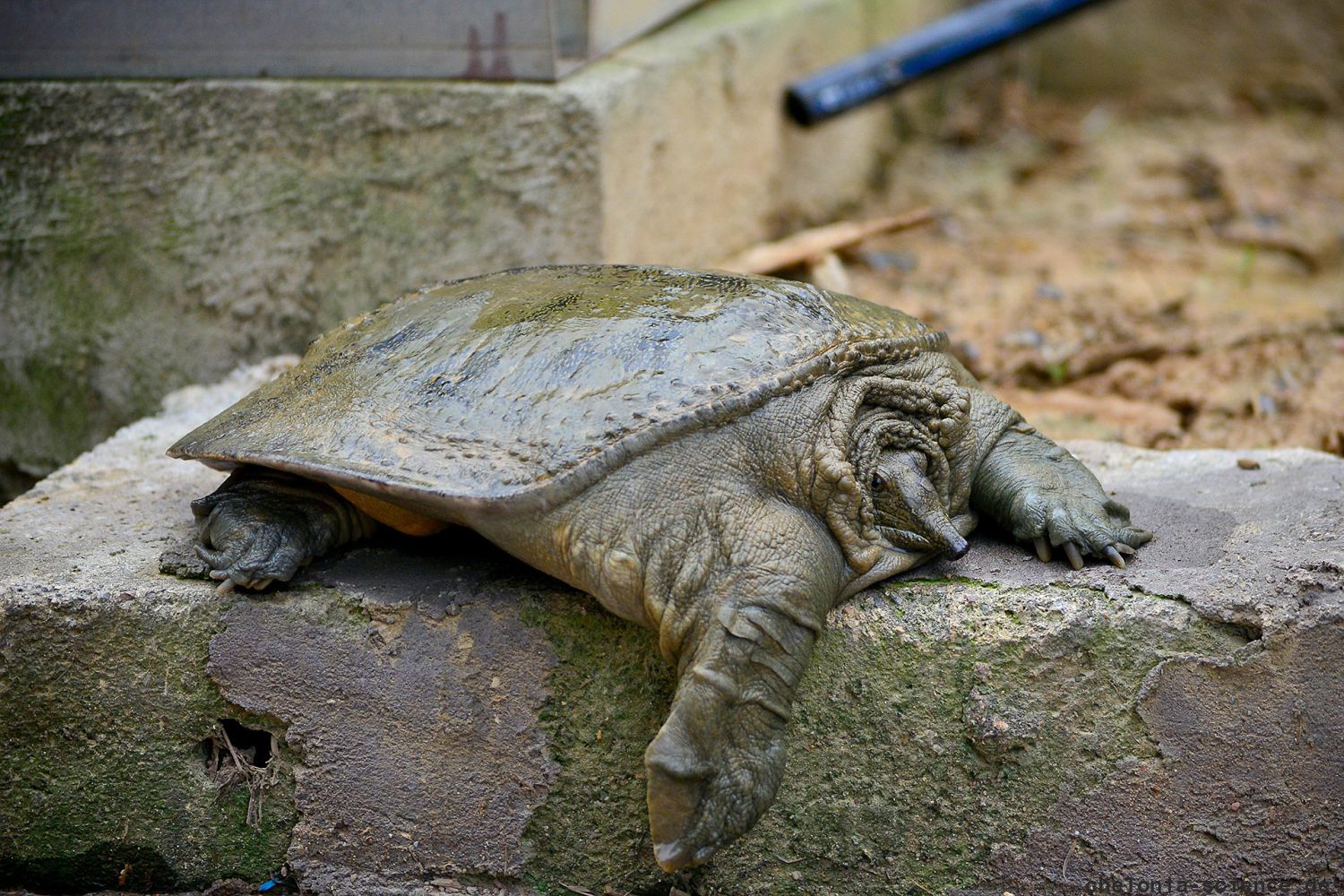
Otherwise, we can again refer to the many studies on the species Pelodiscus sinensis, with a focus on nutrition and health maintenance in mass breeding for food markets, of which only the most important ones are listed in the archive (Ji et al., 2025a, b); Li et al., 2025). However, there was also a special feature here, namely the intended crossbreeding between Pelodiscus sinensis and Palea steindachneri to increase growth and thus also meat production (Ma et al., 2025). As has often been noted, this approach can be viewed with mixed feelings, but ultimately the many studies on this topic have already provided us with valuable insights into nutrition and husbandry.
.
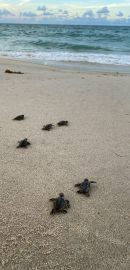
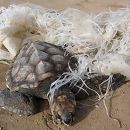
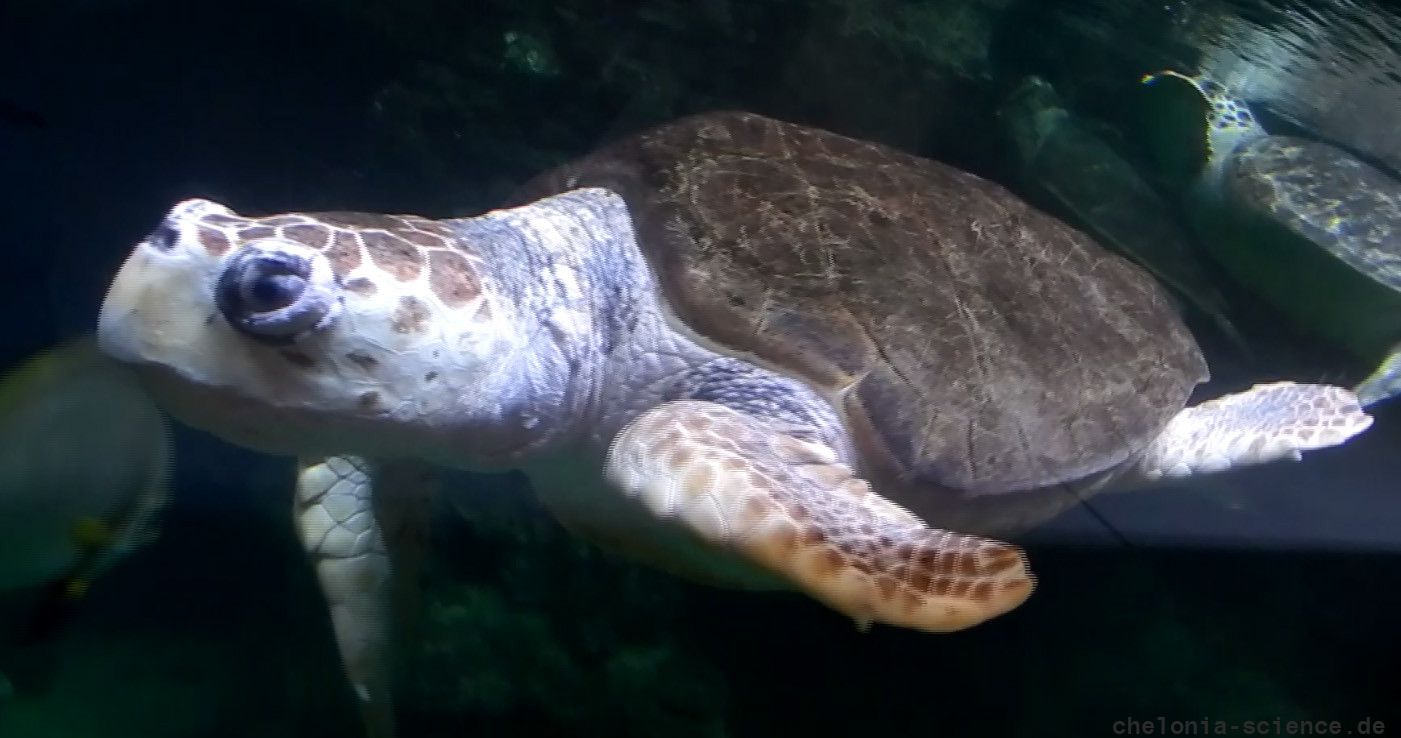
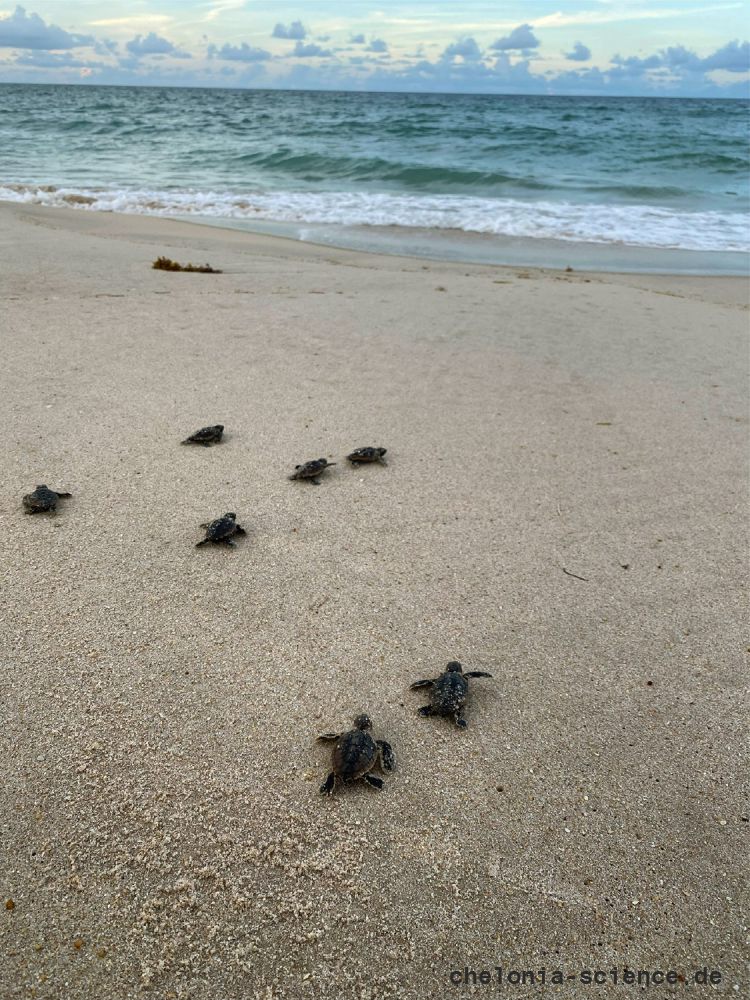
Another major focus was once again the work on sea turtles and their endangerment due to progressive climate change, but also the finding that conservation efforts on nesting beaches in recent years have paid off for green turtles, Chelonia mydas as well as for Caretta caretta, as their populations have recovered to such an extent that C. mydas are currently no longer classified as endangered (VanCompernolle et al. 2025; Margaritoulis et al., 2025).
Certainly, much of the current research shows that the feminization of nesting populations caused by global warming, which also appears to disrupt embryonic development and reduce hatching rates, paints a bleak picture for their future. However, I find it much more interesting to focus on the studies that show that sea turtles are using their almost limitless habitat to expand their nesting beach habitats and move to more northern latitudes, albeit in only a few known cases so far, so that some of them are taking advantage of the opportunity to nest where it will still be possible to ensure a balanced sex ratio (Duquesne & Fournier, 2025; Rickwood et al., 2025; Tromp et al., 2025).
This is certainly happening slowly, but it also offers a long-term chance of survival for the future and gives nature conservationists the opportunity to support the whole process by increasing their efforts to protect and promote the use of such new nesting beaches. The latter could even become a reality for some freshwater turtles, considering the observations of Moldowan et al. (2025) for Graptemys geographica.
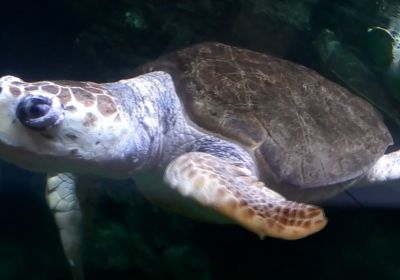
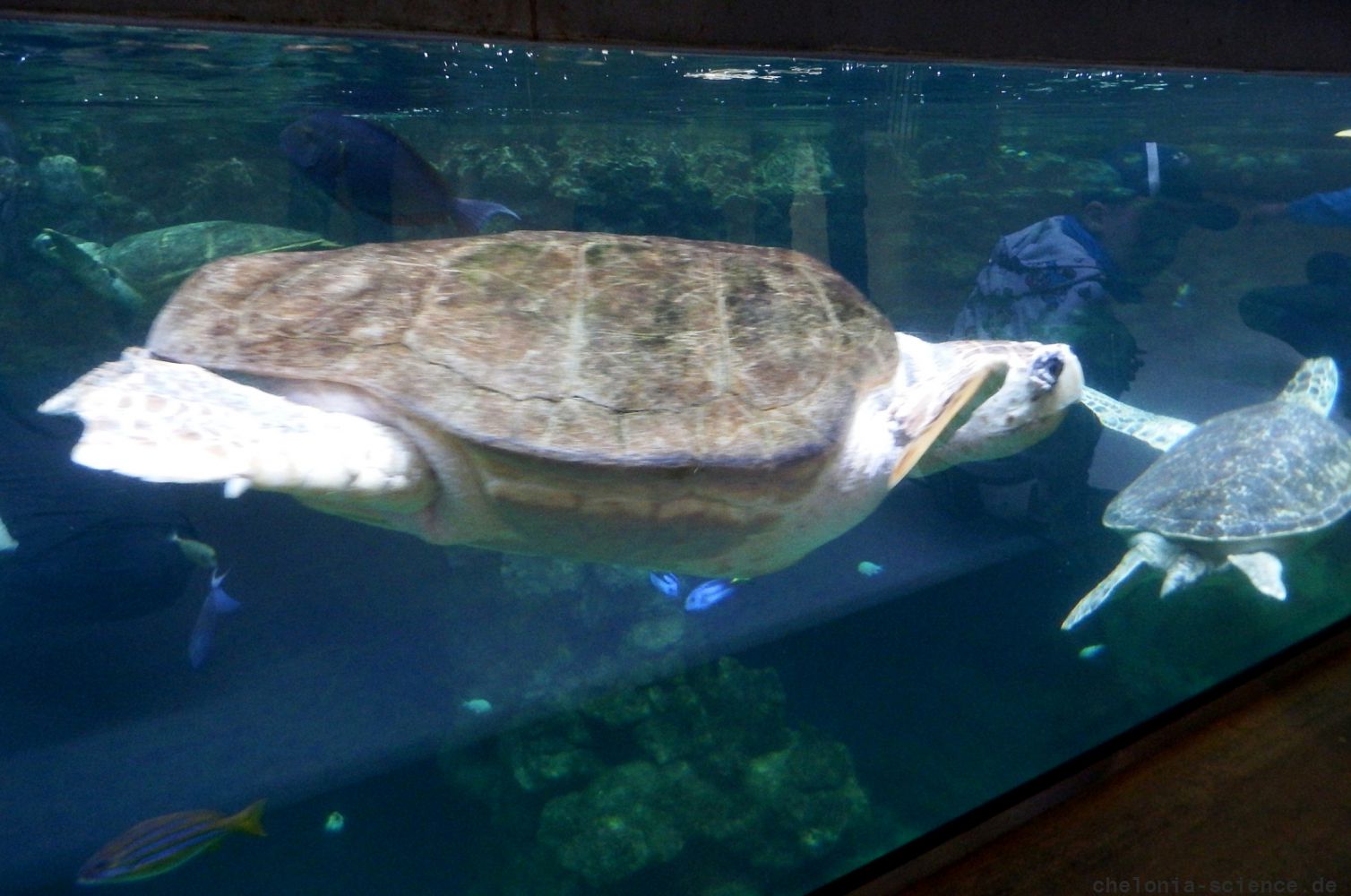
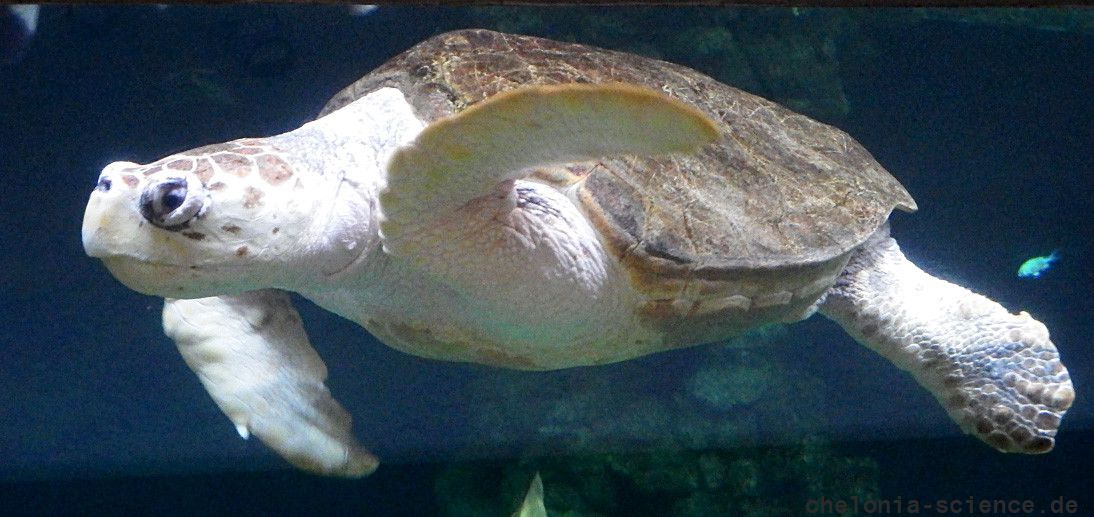
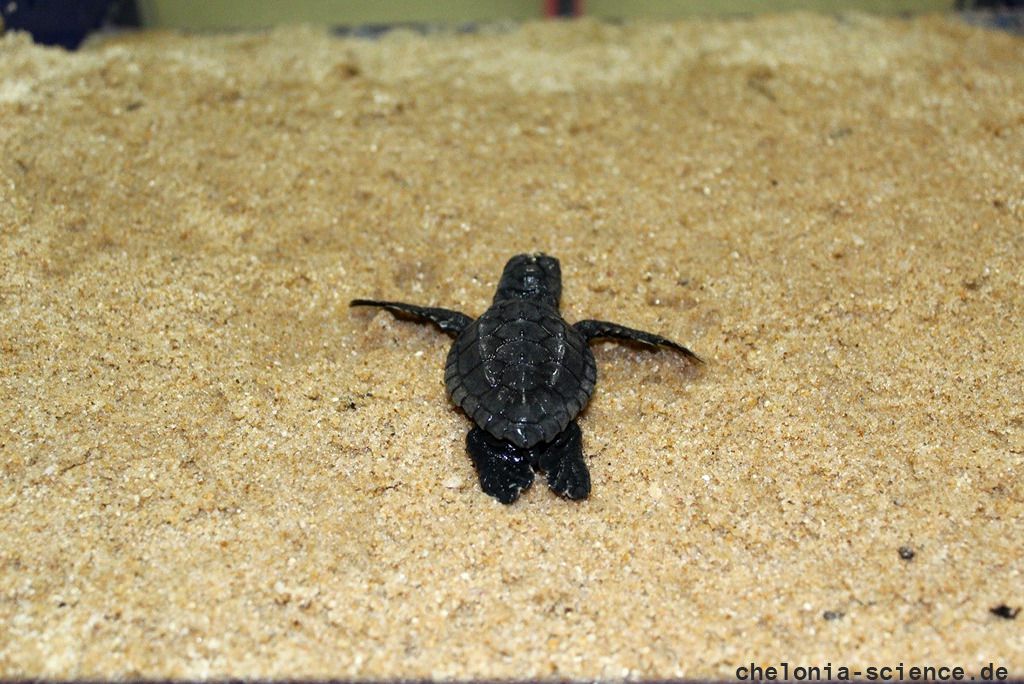
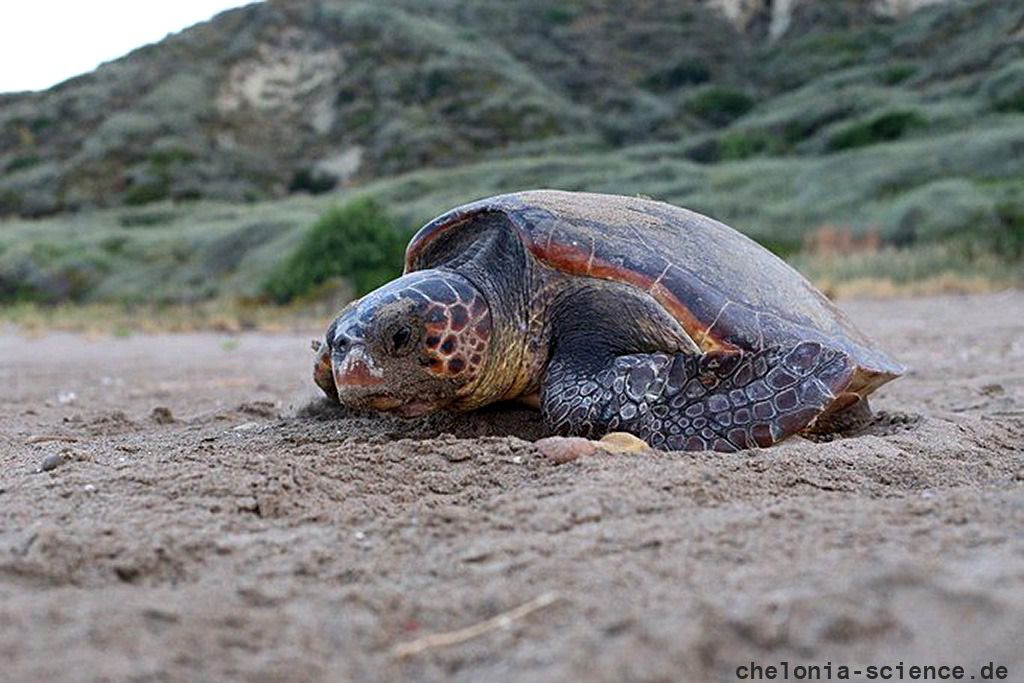
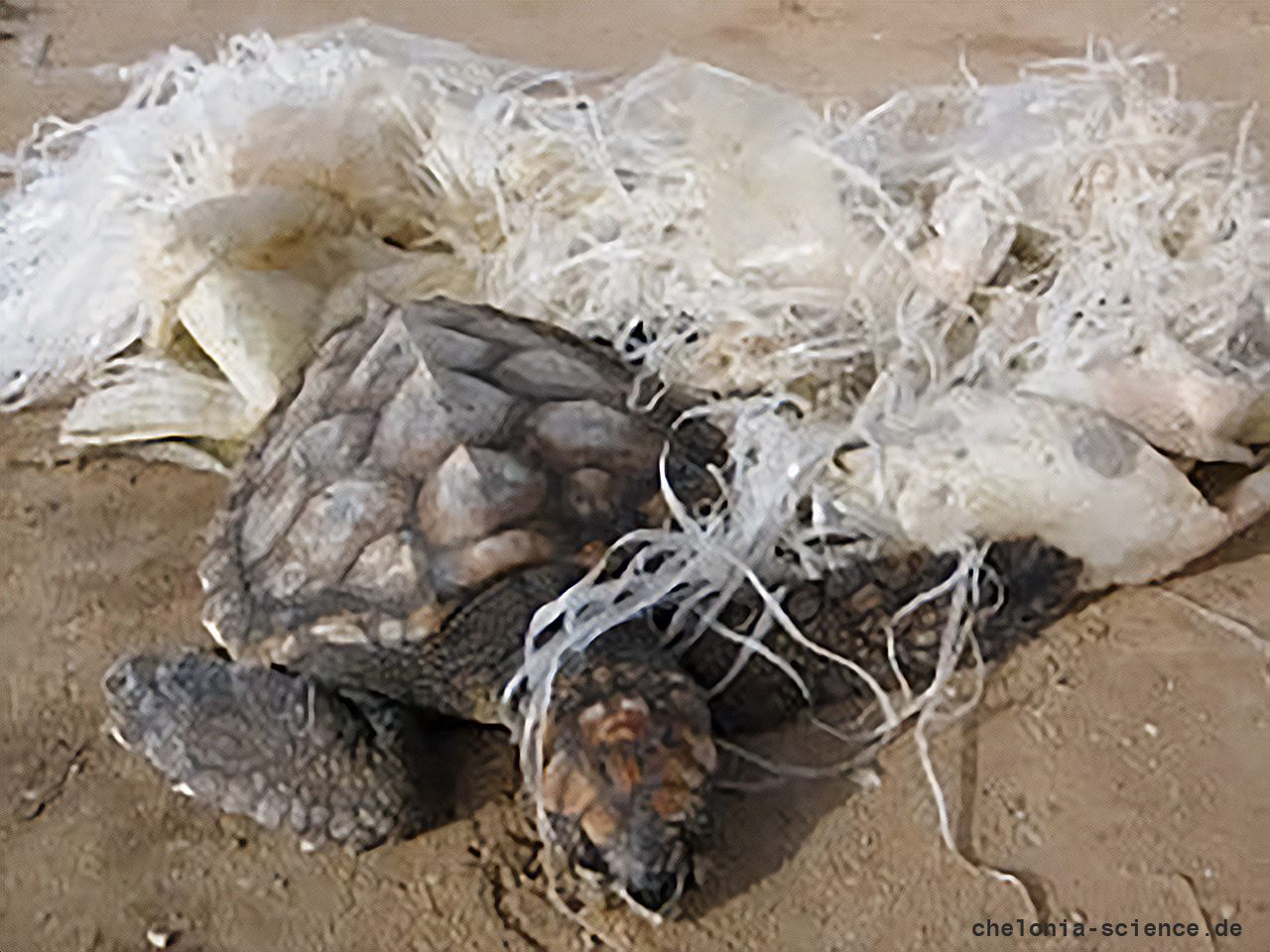
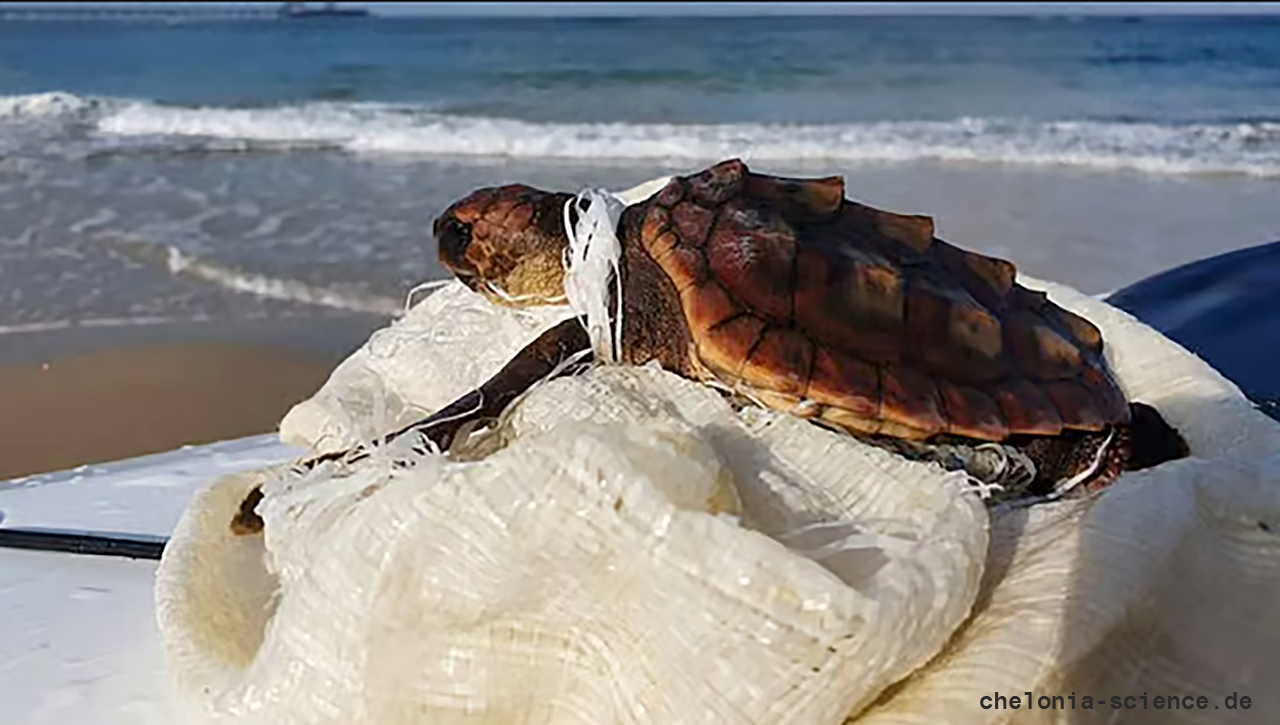
Caretta caretta,
© Hans-Jürgen Bidmon
The third focus in 2025 was again on the spread of neozoans through the trade in exotic turtle species (Badziukiewicz et al., 2025; Bidmon; 2025; Boratto & Griffis; 2025; Iakovidis et al., 2025; Iftime & Iftime; 2025; Leonetti et al. 2025; Rato et al., 2025; Roopa et al., 2025), whereby, based on predictive analyses of ecological conditions favorable to such species, it is becoming increasingly apparent that this will be particularly true for the northern regions (Oskyrko et al., 2025).
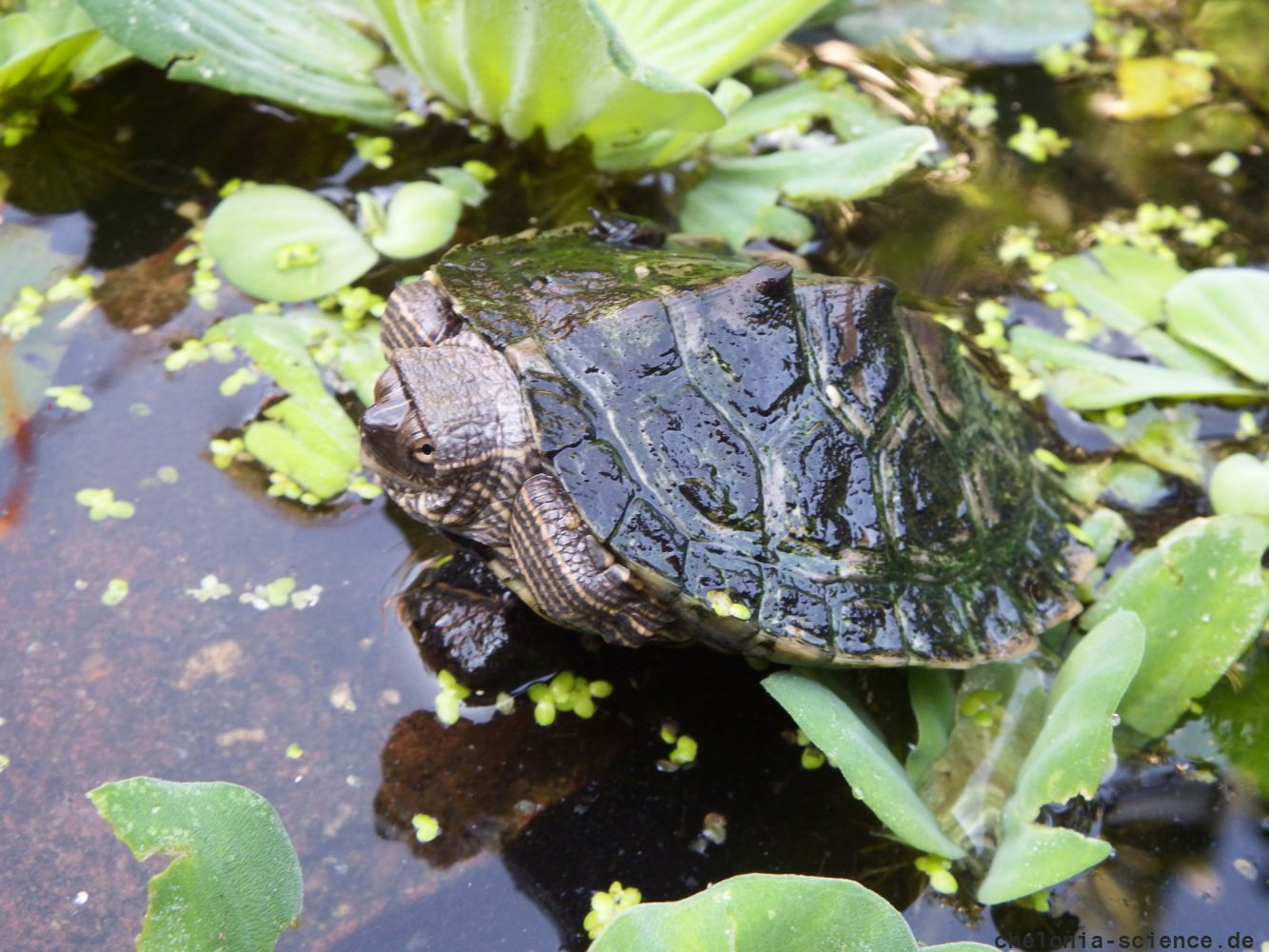
Although most of what we read today is still about colonization and distribution in the southern countries of Europe and Southeast Asia, predictions suggest that populations there could actually fall victim to climate change, while climatic conditions in Central Europe could become much more favorable for their establishment (Bidmon, 2025). New habitats for Germany could also emerge here, with Poland already taking the tougher measures and even officially banning map turtles (Graptemys pseudogeographica) from trade (Badziukiewicz et al., 2025). Invasiveness also brings scientific advantages, as there is now a new, even more detailed embryonic stage sequence for the invasive Trachemys scripta (Noravian et al., 2025).
Yes, and then we can turn to the somewhat less frequent but even more interesting topics. One example worth mentioning here is that, for the first time, there was a well-documented veterinary study that highlighted the importance of the intestinal microbiome in tortoises by showing the positive effects of treatment with the feeding of feces from healthy tortoises (Hetterich et al., 2025).
In addition to the more frequent studies on the protection of water and marsh turtle nests (Hunter et al., 2025), the work of Eichert et al. (2025) also stands out, comprehensively addressing the veterinary aspects of reintroduction programs, particularly for the European pond turtle, taking into account the available practical knowledge. For conservationists it is worth referring to the global compilations of the currently known lifestyles of turtles by Iverson et al. (2025) and Wang et al. (2025).
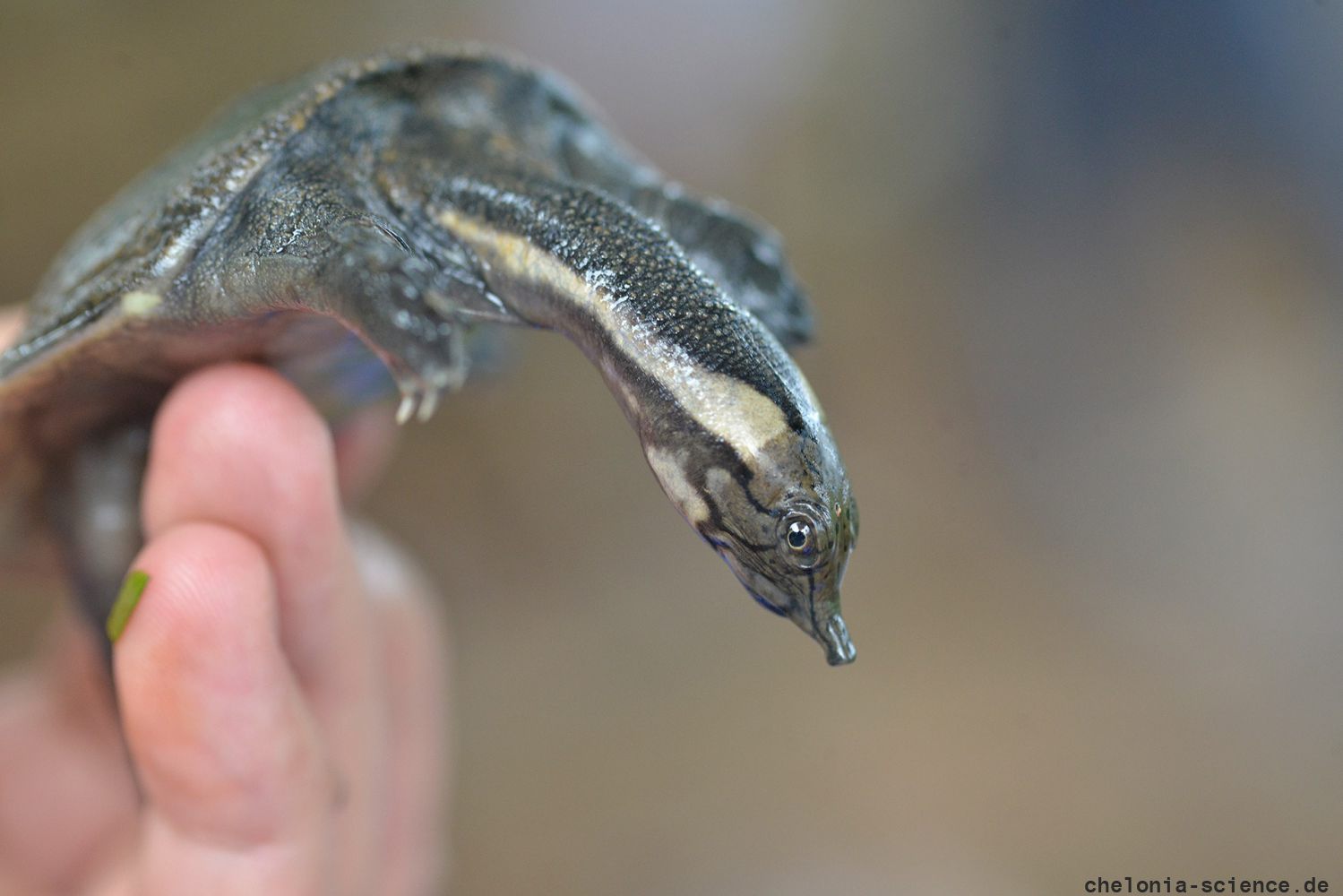
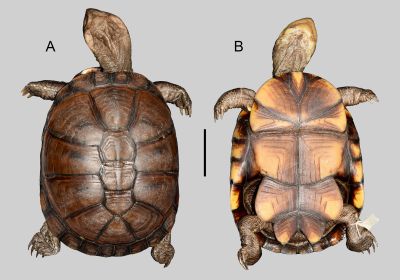
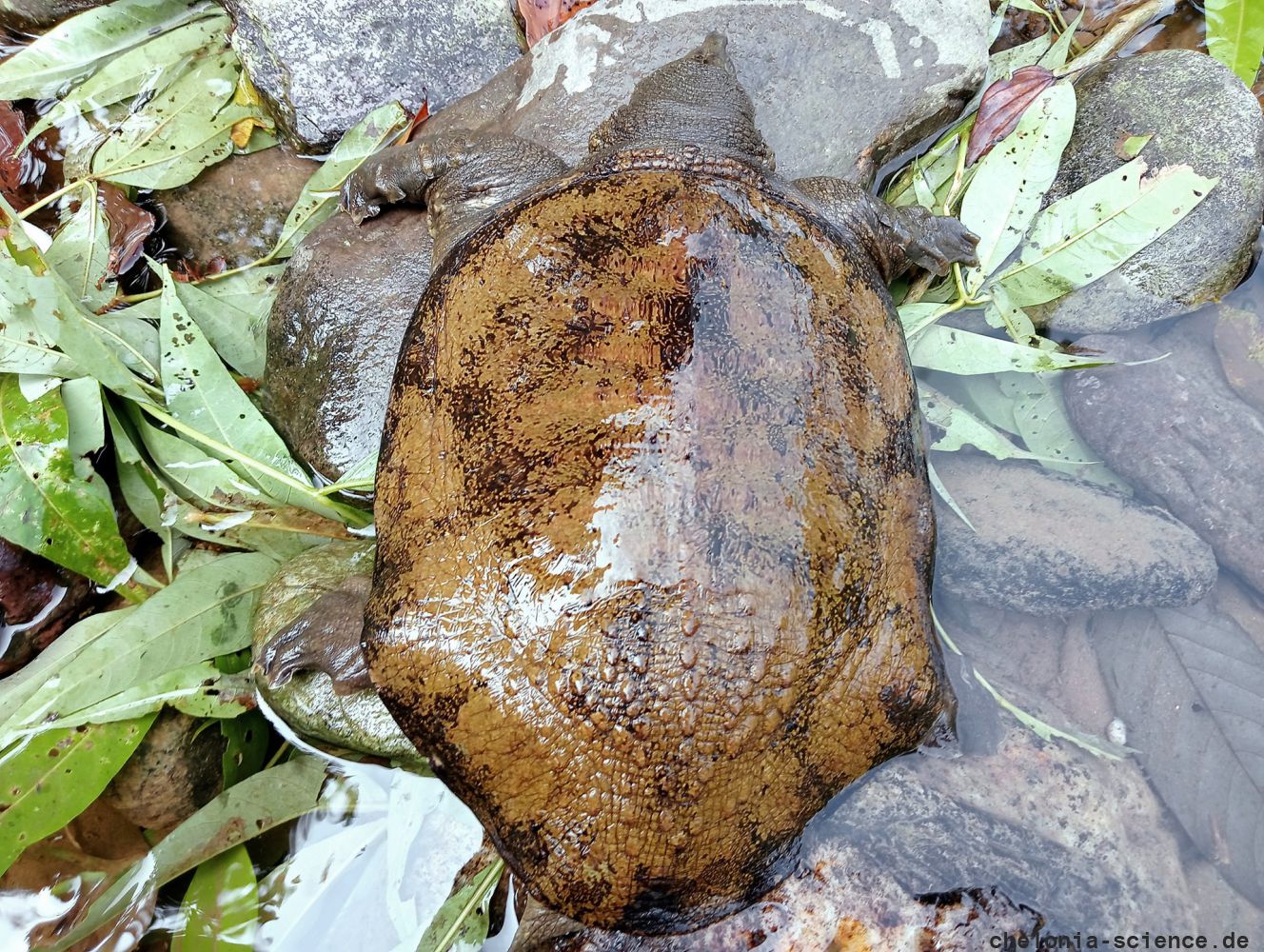
Garcia & Clusella-Trullas (2025) also refer to interesting findings that invasive plant species could protect and improve the habitat of Homopus areolatus in the face of increasing global warming. In addition, three new evolutionary lines were discovered for Africa, as the hinge-backed tortoise species Kinixys erosa split into an eastern and a western line (Ihlow et al., 2025), and for the purely aquatic turtles of the genus Pelusios, the new species P. hyneki was described, from which two subspecies, P. h. hyneki and P. h. tanganyika, were identified (Siroky et al. 2025). In Southeast Asia, it is striking that, in addition to the conservation programs for various marsh turtles (e. g. Ngo et al., 2025) and tortoises that were already underway (Bidmon, 2024) the protection and conservation of Manouria emys emys is now also coming to the fore in India and Indonesia (Harapan et al., 2025; Kar et al., 2025) and increasingly also work on the distribution of the genera Amyda, Nilssonia, Melanochelys and Orlitia (Abedin et al., 2025; Farkas & Praschag, 2025; Hakim & Ashar, 2025; Hasan et al., 2025; Mohalik et al., 2025) has been described.
Even for the USA and the species of the genus Kinosternon that inhabit the Mississippi Basin, new findings are emerging that once again identify K. hippocrepis as a separate species (Reid et al., 2025).
The century of cognitive research in all living beings predicted by Miller et al. (2024) is also yielding new insights for turtles, not only in terms of a better understanding of vocal communication as in former years but also in terms of cortex development (Huang et al., 2025; Becker et al., 2025) and visual abilities and the ability to make associations (Loconsole et al., 2025) as well as olfactory perception (Ibanez & Garcia-Porta, 2025).
In addition, the work of Goforth et al. (2025) and Mackiewicz et al. (2025) on magnetic orientation and navigation in sea turtles provides new insights into magnetite-dependent map orientation, which, together with the latest findings on magnetic sense localization in pigeons in the inner ear's vestibular system (Nordmann et al., 2025; see also comment Castelveechi, 2025), can contribute to a quantum leap in our understanding of a centuries-old question and stimulate future research in this field.
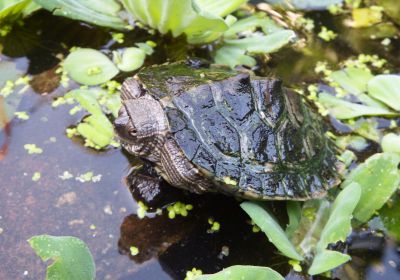
Graptemys pseudogeographica,
© Hans-Jürgen Bidmon
However, as is the case almost every year, there are studies that stand out in a different way and stimulate reflection, as VanCompernolle et al. (2025) have published a paper in the journal Conservation Biology on the endangered status of large marine vertebrates, which also includes the seven species of sea turtles. This paper lists 209 authors. Now, we are familiar with even longer lists of authors in physics, but these are due to the fact that many technicians and engineers are needed just to construct, maintain, and operate the measuring instruments required to address many such questions related e. g. to gravitaion or the beginning of the universe. Here in the life sciences, however, the multi-author community is made up of scientists who specialize in different species or animal groups.
However, the introduction to this study includes an explanation of which large marine vertebrates, for whatever reason, could not really be included in the study because there is hardly any data available for them. From an ecological point of view, the study is therefore incomplete per se and, as with all such studies, it negates the fact that the interaction of all living organisms in the oceanic system is important for its functional preservation. The latter becomes clear when we look at the food chains that are necessary to enable the survival of large mammals such as whales. However, since we are unable to capture this diversity of living organisms (including small ones) and their interactions despite the collaboration of many scientists, it becomes clear that it may currently only be possible to approach this complex goal with the help of very energy-intensive advanced artificial intelligence (e.g. Oh et al., 2025) and by modulating many complex interaction scenarios, to make predictions about how these multiple threat scenarios could be meaningfully improved in terms of protection and conservation measures.
This has already been done for climate change scenarios (e.g. Chambers et al., 2025). Even if this enabled scientists to offer solutions to these problems, it would be of little use to us in the current situation, because the implementation of such measures is not led by scientists, but is essentially the responsibility of politicians who are dependent on electoral success and hungry for power. However, as the climate conference (COP30) in Belem has just shown us once again, such efforts are largely in vain. Of course, this does not solve the problems for the planet's entire ecosystem – no, it just appeases people who are also affected by the dangers and problems with a little more money. But the latter does not help these people either, because when the land mass of an island nation sinks into the sea, even more money is of little use. Or can we do anything other than collect the artifacts washed up on the coast that bear witness to their former settlement with the landmass (Doggerland) that once connected Holland with Scandinavia and sank after the last ice age?
This increasingly reminds me of a story that haunts literature in many ways (e.g., Lee, 2011) and is described by Elizabeth Hennessy (2019) in the first chapter of her book, „Where We Stand On“, as follows: „During a lecture on the latest theories on cosmology by the philosopher William James or the philosopher and mathematician Bertrand Russell, questions were asked by the audience at the end. When it was an elderly lady's turn, she stood up and declared that the lecture was very interesting, but wrong! We all know that the Earth rests on the shell of a turtle! When the philosopher asked her what the turtle was standing on, she replied, “That's easy to answer – on the back of an even bigger turtle.” There were no further questions, and the lady smiled and said, “That's very clever of you, because there are many turtles on the way down.“
Perhaps the far-sighted old lady, who was also good at judging her fellow human beings, wisely did not distinguish between invasive and native world carriers even back then!
What this little episode illustrates is that our best knowledge about the state of our planet or the entire cosmos is of little use to us if we make no use of this knowledge due to our very own way of life with its highly developed abilities for abstraction and technological advancement (traits) and if we ultimately believe what we want to believe.
All that remains is the hope that we will manage to implement fundamental changes, but that is only a spark of hope that, given the current situation, seems smaller than the certainty that a single giant volcanic eruption could herald the end before the sun goes out. So we should preserve these indispensable carapace carriers that sustain the earth for as long as possible.
With this in mind, we wish you helpful insights into nature conservation, a merry and peaceful Christmas, and a happy New Year in a healthy, more peaceful, and interesting turtle year 2026.
Literatur
Abedin, Imon, Angkasa Putra, Hye-Eun Kang, Arunima Singh, Shailendra Singh, Won-Kyo Jung, Hyun-Woo Kim & Shantanu Kundu (2025): Lineages to landscapes: mitogenomic insights and climate refugia informing proactive conservation of the endangered Tricarinate Hill Turtle (Melanochelys tricarinata) in the Indian subcontinent. – Scientific Reports 15(1): 42751 oder im Abstract-Archiv.
Badziukiewicz, Jakub, Milena Bors, Rafał Maciaszek & Wiesław Świderek (2025): Turtles for Sale: Species Prevalence in the Pet Trade in Poland and Potential Introduction Risks. – Animals 15(18): 2711 oder im Abstract-Archiv.
Becker, Milan, Nimrod Leberstein & Mark Shein-Idelson (2025): View-invariant representations in ancestral cortex. – Science Advances 11(48): eady9659 oder im Abstract-Archiv.
Bidmon, H.-J. (2025): Wasserschlösser, Klöster und Burgruinen zwischen Niers und Erft und ihre Chelonier, sowie der vermutliche Erstnachweis von Mauremys leprosa im Rheinischen Revier: Ein Kurzbericht. - Artikel-Archiv.
Bidmon, H.-J. (2024): 20 Jahre IZS im Allwetterzoo Münster und das 3. Meiersymposium vom 3. – 5. Mai 2024 - Artikel-Archiv.
Boratto, R. & S. E. Griffis (2025): The Intersection of Legal and Illegal Supply Chains: A Case Study of the Tortoise and Freshwater Turtle Pet Trade in Canada. – Chelonian Conservation and Biology 23(2): 137-152 oder im Abstract-Archiv.
Castelvecchi, D. (2025): Has the Compass organ of birds been found at last? Evidence suggests that pigeons sense magnetic fields by detecting electric currents in their inner ears. – Nature 648(8093): 257-258; DOI: 10.1038/d41586-025-03798-8 (externer Link).
Chambers, Jeffrey Q., Adriano José Nogueira Lima, Gilberto Pastorello, Bruno Oliva Gimenez, Lin Meng, Lee A. Dyer, Yanlei Feng, Cristina Santos da Silva, Regison Costa de Oliveira, Anna Weber, Charlie Koven, Robinson Negrón-Juárez, Gustavo C. Spanner, Tatiana D. Gaui, Clarissa G. Fontes, Alessandro C. de Araújo, Nate McDowell, Ruby Leung, Daniel Magnabosco Marra, Jeffrey Warren, Daisy Celestina Souza, Cynthia Wright, Kolby Jardine, Marcos Longo, Chonggang Xu, Paul V. A. Fine, Rosie A. Fisher, Javier Tomasella, Joaquim dos Santos & Niro Higuchi (2025): Hot droughts in the Amazon provide a window to a future hypertropical climate. – Nature; DOI: 10.1038/s41586-025-09728-y (externer Link).
Duquesne, Edouard & Denis Fournier (2025): Climate change redefines sea turtle hotspots: Vessel strike risks and gaps in protected areas. – Science Advances 11(26): eadw4495 oder im Abstract-Archiv.
Eichert, Carolin, Kathrin Theissinger, Benoît Quintard & Jean-Yves Georges (2025): Veterinary medicine in reintroduction and reinforcement of the European pond turtle Emys orbicularis: a review. – BMC Veterinary Research 21(1): 668 oder im Abstract-Archiv.
Farkas, Balázs & Peter Praschag (2025): First record of the critically endangered Burmese peacock soft-shelled turtle Nilssonia formosa from India (Testudines: Trionychidae). – Zootaxa 5706(3): 448–450 oder im Abstract-Archiv.
Garcia, R. A. & S. Clusella-Trullas (2025): Microclimatic changes caused by plant invasions and warming: uncovering thermal costs and benefits to a tortoise. – Conservation Physiology 13(1): coaf016 oder im Abstract-Archiv.
Goforth, K. M., C. M. F. Lohmann, A. Gavin, R. Henning, A. Harvey, T. L. Hinton, D. S. Lim & K. J. Lohmann (2025): Learned magnetic map cues and two mechanisms of magnetoreception in turtles. – Nature 638: 1015–1022 oder im Abstract-Archiv.
Hakim, Jonathan & Shaariq Ashar (2025): High Diversity of Herpetofauna in Kukrail Urban Forest, Lucknow, India, Calls for Well-informed Conservation Policies. – Herpetological Conservation and Biology 20(2): 413-437 oder im Abstract-Archiv.
Harapan, T. S., L. Ong, A. P. Agung, R. Rafia, D. H. Tjong, W. Novarino & A. Campos-Arceiz (2025): A Slow and Underappreciated Forest Megafauna: Food Habits, Movements, and Multiscale Habitat Preferences of Critically Endangered Sundaic Giant Tortoises (Manouria emys emys). – Integrative Zoology: Online ahead of print oder im Abstract-Archiv.
Hasan, Veryl, Irhamna P. Rahmawati, Joko Guntoro, Josie South, Fitri S. Valen, Muhammad B. Tamam, Andreas B. Hardian, Sapto Andriyono, Nurjirana Nurjirana & Ahmad S. Kamarudin (2025): Orlitia borneensis (Gray, 1873) (Testudines, Geoemydidae), Malaysian Giant Turtle, from Belitung Island, Indonesia: filling a distribution gap. – Check List 21(5): 807-812 oder im Abstract-Archiv.
Hennessy, Elizabeth (2019): On the back of tortoise: Darwin, the Galapagos, and the fate of an evolutionary Eden. – Yale University Press, New Haven and London; DOI: 10.12987/9780300249156 (externer Link).
Hetterich, J. & M. Pees (2025): Case Report: Oral fecal microbiota transplantation in a Mediterranean spur-thighed tortoise (Testudo graeca) suffering from chronic gastrointestinal disease-procedure, clinical outcome and follow-up. – Frontiers in Veterinary Science 12: 1560689 oder im Abstract-Archiv.
Huang, Fu-Bao-Qian, Kuo Liao, Yu-Nong Sun, Zi-Hao Li, Yan-Ru Zhang, Ping-Fang Liao, Si-Yuan Jiang, Zhi-Yong Zhu, Duo-Yuan Chen, Ying Lei, Shi-Ping Liu, You-Ning Lin & Zhen-Kun Zhuang (2025): Cross-species single-cell transcriptomics reveals neuronal similarities and heterogeneity in amniote pallium. – Zoological Research 46(1): 193-208 oder im Abstract-Archiv.
Hunter, Christina, Deborah S. Bower, Richard A. Peters, Ricky-John Spencer, Ligia Pizzatto & James U. Van Dyke (2025): Mitigating Fox Predation on Freshwater Turtle Nests: Comparing Effectiveness of Three In Situ Protection Methods. – Ecology and Evolution 15(9): e72121 oder im Abstract-Archiv.
Ibáñez, A. & J. Garcia-Porta (2025): The scent of habitat shift: Olfactory receptor evolution is associated with environmental transitions in turtles. – Zoology 168: 126236 oder im Abstract-Archiv.
Iakovidis, Dionisios, Nikolaos Gogolos & Thomas Daftsios (2025): First record of the non-native Chinese stripe-necked turtle (Mauremys sinensis Gray, 1834) from the island of Lesvos, Greece. – Herpetozoa 38: 211-214 oder im Abstract-Archiv.
Iftime, O. & A. Iftime (2025): Turtles and ice: winter activity in non-native turtles in Romania. – Herpetozoa 38: 1-5 oder im Abstract-Archiv.
Ihlow, Flora, Václav Gvoždík, Zoltán Tamás Nagy, Christian Kehlmaier, Zacharie Kusamba Chifundera & Uwe Fritz (2025): Phylogeography and genetic diversity of the Serrated Hinge-back Tortoise Kinixys erosa (Schweigger): implications for taxonomy and conservation. – Herpetozoa 38: 1-5 oder im Abstract-Archiv.
Iverson, J. B., J. Ennen & J. Lovich (2025): Life-History and Ecology Data for the Turtles of the World. – Chelonian Conservation and Biology 24(1): 136-141 oder im Abstract-Archiv.
Ji, Liqin, Yisen Shangguan, Qing Shi, Zhen Dong, Chen Chen, Junxian Zhu, Xiaoyou Hong, Xiaoli Liu, Chengqing Wei, Xinping Zhu & Wei Li (2025): Dietary Tannic Acid Improves Hepatic Health and Capacity to Deal with Temperature Fluctuation in the Chinese Soft-Shelled Turtle (Pelodiscus sinensis). – Animals 15(4): 544 oder im Abstract-Archiv.
Ji, Liqin, Qing Shi, Yisen Shangguan, Chen Chen, Junxian Zhu, Zhen Dong, Xiaoyou Hong, Xiaoli Liu, Chengqing Wei, Xinping Zhu & Wei Li (2025): Molecular Response and Metabolic Reprogramming of the Spleen Coping with Cold Stress in the Chinese Soft-Shelled Turtle (Pelodiscus sinensis). – Antioxidants 14(2): 217 oder im Abstract-Archiv.
Kar, Sushmita, Job Stumpel, Petr Petrás, Sebastian Nickl & Beate Pfau (2025): Erhaltung und Wiederaufbau der Populationen der asiatischen Riesenschildkröte in Nagaland, Indien. – Radiata 34(2): 4-51.
Lee, H. (2011): Climate change, connectivity, and conservation success. – Conservation Biology 25(6): 1139-1142 oder im Abstract-Archiv.
Leonetti, Francesco Luigi, A. Crescente, Claudia Valerioti, G. Paolillo, Gianni Giglio, Ilaria Bernabò, Sandro Tripepi & Emilio Sperone (2025): How microhabitat characteristics influence the females’ nest site selection of the invasive alien species Trachemys scripta in the Angitola Lake (Calabria, Southern Italy). – The European Zoological Journal 92(1): 695-708 oder im Abstract-Archiv.
Li, Jiarou, Tianyu Liu, Lei Li, Tao Li, Yujing Guan, Mengjiao Song, Yiwei Huang, Haiyan Liu, Ling Li & Peiyu Zhang (2025): Long-term intake of a high-carbohydrate diet induced steatosis, hepatitis, and fibrosis in the liver of juvenile Chinese soft-shelled turtle (Pelodiscus sinensis). – Aquaculture Reports 45: 103146 oder im Abstract-Archiv.
Loconsole, Maria, Beatrice Malaman, Gionata Stancher & Elisabetta Versace (2025): Crossmodal Pitch-Luminance Association in Tortoises. – Annals of the New York Academy of Sciences 1553(1): 233-239 oder im Abstract-Archiv.
Ma, X., T. Karsoon, M. He, X. Yin, Y. Liu, Y. Yang, M. Lu, Y. Zhang & X. Wu (2025): First successful artificial distant hybridization of softshell turtle between Palea steindachneri and Pelodiscus sinensis. – Aquaculture 602: 742329 oder im Abstract-Archiv.
Mackiewicz, Alayna G., Abigail M. Glazener, Kayla M. Goforth, Dana S. Lim, Catherine M. F. Lohmann & Kenneth J. Lohmann (2025): Disruption of the sea turtle magnetic map sense by a magnetic pulse. – Journal of Experimental Biology 228(22): jeb251243 oder im Abstract-Archiv.
Margaritoulis, Dimitris, Alan F. Rees & Thomas E. Riggall (2025): Exponential Increase in a Loggerhead Sea Turtle Nesting Population: Investigating the Role of Multi-decadal Nest Protection in Kyparissia Bay, Greece. – Zoological Studies 64: e29 oder im Abstract-Archiv.
Miller, W. B. Jr., F. Baluška, A. S. Reber & P. Slijepčević (2024): Biology in the 21st century: Natural selection is cognitive selection. – Progress in Biophysics and Molecular Biology 190: 170-184; DOI: 10.1016/j.pbiomolbio.2024.05.001 (externer Link).
Mohalik, Rakesh K., Sumidh Ray, Ranjit Satrusallya, Priyadarshi G. S. Sethy & Pratyush P. Mohapatra (2025): First Report of Kyphosis in Nilssonia hurum (Gray, 1831) (Reptilia: Testudines: Trionychidae) in India with Notes on the Morphology of a Juvenile. – National Academy Science Letters 48(5) oder im Abstract-Archiv.
Moldowan, Patrick D., Matthew G. Keevil, Sarah Lamond, Peter B. Mills, Rachel Y. Fallas, Jacqueline D. Litzgus (2025): Long-Distance Movement and Northern Extralimital Records of the Northern Map Turtle (Graptemys geographica). – Chelonian Conservation and Biology 24(2) oder im Abstract-Archiv.
Ngo, H. T., T. E. M. McCormack, H. V. Hoang, L. T. Nguyen, T. T. Nguyen, V. T. H. Nguyen, H. T. Do, H. L. T. Trinh, T. Ziegler, M. E. Blair & M. D. Le (2025): Introgressive Hybridization and a Natural Barrier: Molecular Analyses Lay Out a Conservation Blueprint for the Critically Endangered Vietnamese Pond Turtle (Mauremys annamensis). – Diversity 17(4): 260 oder im Abstract-Archiv.
Noravian, Christina M., Perla G. Rand, Amira Mahomed, Annie Rickard, Oscar D. Juvera, Maria Elena de Bellard & Max Ezin (2025): A comprehensive embryonic staging series of the turtle Trachemys scripta. – Developmental Dynamics: Online ahead of print oder im Abstract-Archiv.
Nordmann, Gregory C., Spencer D. Balay, Thamari N. Kapuruge, Marco Numi, Christoph Leeb, Simon Nimpf, E. Pascal Malkemper, Lukas Landler & David A. Keays (2025): A global screen for magnetically induced neuronal activity in the pigeon brain. – Science: eaea6425; DOI: 10.1126/science.aea6425 (externer Link).
Oh, Junhyuk, Gregory Farquhar, Iurii Kemaev, Dan A. Calian, Matteo Hessel, Luisa Zintgraf, Satinder Singh, Hado van Hasselt & David Silver (2025): Discovering state-of-the-art reinforcement learning algorithms. – Nature 648(8093): 312-319; DOI: 10.1038/s41586-025-09761-x (externer Link).
Oskyrko, Oleksandra, Chunrong Mi & Weiguo Du (2025): Integrating the thermal dependence of sex ratio into distribution models to predict suitable habitats for the invasive freshwater pond slider turtle, Trachemys scripta. – Marine Life Science &m Technology 7(3): 619-631 oder im Abstract-Archiv.
Rato, João, Pedro Brandão, Filipe Banha & Pedro Anastácio (2025): Market-driven risks: Assessing exotic testudines trade and invasion potential. – Environmental and Sustainability Indicators 28: 100929 oder im Abstract-Archiv.
Reid, Brendan N., Hanh T. Ngo, Tinh H. Nguyen & John B. Iverson (2025): Integrated phylogenetic analysis of south-eastern mud turtles (Kinosternon) using genomic data and morphology supports deep divergence and species status for the Mississippi mud turtle (Kinosternon hippocrepis Gray, 1856). – Zoological Journal of the Linnean Society 205(3): zlaf156 oder im Abstract-Archiv.
Rickwood, Mollie L., Eve Tucker, Damla Beton, Sophie Davey, Brendan J. Godley, Robin T. E. Snape, Erik Postma & Annette C. Broderick (2025): Individual plasticity in response to rising sea temperatures contributes to an advancement in green turtle nesting phenology. – Proceedings of the Royal Society B-Biological Sciences 292(2041): 20241809 oder im Abstract-Archiv.
Roopa, S. R., A. Chaudhuri, S. Dey & U. Mendiratta (2025): Calipee Trade: A Pervasive Yet Under-recognized Threat to Softshell Turtles in South Asia. – Chelonian Conservation and Biology 23(2): 153-160 oder im Abstract-Archiv.
Široký, Pavel, Branka Bilbija, Claudia Paetzold, Christian Kehlmaier & Uwe Fritz (2025): Two new African hinged terrapins (Testudines: Pelomedusidae: Pelusios). – Zootaxa 5717(3): 301-317 oder im Abstract-Archiv.
Tiara, Alma, Mirza Dikari Kusrini, Arzyana Sunkar & Joko Guntoro (2025): Local Community's Knowledge and Perception towards Freshwater Turtle Conservation in Southern Sumatra, Indonesia. – Jurnal Manajemen Hutan Tropika 31(2): 99-113 oder im Abstract-Archiv.
Tromp, Jared J., Melissa N. Staines, Jacques-Olivier Laloë & Graeme C. Hays (2025): Local Adaptation May Help Mitigate Feminisation of Sea Turtle Populations Globally. – Global Change Biology 31(9): e70458 oder im Abstract-Archiv.
VanCompernolle, Michelle, Juliet Morris, Hannah J. Calich, Jorge P. Rodríguez, Sarah A. Marley, Jessica R. Pearce, Briana Abrahms, Katya Abrantes, André S. Afonso, Alex Aguilar, Andrews Agyekumhene, Tomonari Akamatsu, Susanne Åkesson, Nyimale G. Alawa, Joanna Alfaro-Shigueto, R. C. Anderson, Tycho Anker-Nilssen, Javier A. Arata, Gonzalo Araujo, Martin C. Arostegui, Haritz Arrizabalaga, Lucy M. Arrowsmith, Marie Auger-Méthé, Isabel C. Avila, Fred Bailleul, Joanna Barker, Dawn R. Barlow, Adam Barnett, Hector Barrios-Garrido, Alastair M. M. Baylis, Giovanni Bearzi, Lars Bejder, Eduardo J. Belda, Scott R. Benson, Michael L. Berumen, Sophie Bestley, Natalia P. A. Bezerra, Antonin V. Blaison, Lars Boehme, Steven J. Bograd, Bolaji Dunsin Abimbola, Mark E. Bond, Asunción Borrell, Phil J. Bouchet, Peter Boveng, Gill Braulik, Camrin D. Braun, Stephanie Brodie, Leandro Bugoni, Carlos Bustamante, Steven E. Campana, Susana Cárdenas-Alayza, Ruth H. Carmichael, Gemma Carroll, Matt I. D. Carter, Filipe R. Ceia, Salvatore Cerchio, Luciana C. Ferreira, Philippine Chambault, Taylor K. Chapple, Patricia Charvet, Elpis J. Chavez, Damien Chevallier, Andre Chiaradia, B. Louise Chilvers, Megan A. Cimino, Bethany L. Clark, C. R. Clarke, Thomas A. Clay, Carl S. Cloyed, Jesse E. M. Cochran, Tim Collins, Enric Cortes, Eduardo Cuevas, David J. Curnick, Peter Dann, P. J. Nico de Bruyn, Asha de Vos, Solène Derville, Maria P. Dias, Bruno Diaz-Lopez, Kara L. Dodge, Alistair D. M. Dove, Thomas K. Doyle, J. Marcus Drymon, Christine L. Dudgeon, Peter H. Dutton, Ursula Ellenberg, Simon H. Elwen, Louise Emmerson, Edem A. Eniang, Mario Espinoza, Nicole Esteban, Evert Mul, Brian S. Fadely, Annette L. Fayet, Chris Feare, Steven H. Ferguson, Laura Joan Feyrer, Brittany Finucci, Katie R. N. Florko, Jorge Fontes, C. M. Fortuna, Sabrina Fossette, Leila Fouda, Esteban Frere, Mariana M. P. B. Fuentes, Austin J. Gallagher, Pablo Garcia Borboroglu, Claire Garrigue, Pauline Gauffier, Enrico Gennari, Tilen Genov, Elitza S Germanov, Joan Giménez, Matthew H. Godfrey, Brendan J. Godley, Simon D. Goldsworthy, Matthew Gollock, Victoria González Carman, Natasha J. Gownaris, W. James Grecian, Hector M. Guzman, Mark Hamann, Neil Hammerschlag, Erpur S. Hansen, Mike P. Harris, Gordon Hastie, Danielle E. Haulsee, Elliott L. Hazen, Mads Peter Heide-Jørgensen, Elizabeth E. Hieb, Jeff W. Higdon, Mark A. Hindell, Jefferson T. Hinke, Xavier Hoenner, G. J. Greg Hofmeyr, Bonnie J. Holmes, Erich Hoyt, Luis A. Huckstadt, Nigel E. Hussey, Charlie Huveneers, Lyn G. Irvine, Rima W. Jabado, David M. P. Jacoby, Audrey Jaeger, Patrick M. Jagielski, Mark Jessopp, Oliver J. D. Jewell, David Jiménez Alvarado, Lance K. B. Jordan, Salvador J. Jorgensen, Benjamin Kahn, Alexandros A. Karamanlidis, Akiko Kato, Lucy W Keith-Diagne, M. S. Kiani, Jeremy J. Kiszka, Alison A. Kock, R. Keller Kopf, Carey Kuhn, Peter M. Kyne, Kristin L. Laidre, Fernanda O. Lana, Michelle E. Lander, Matthieu Le Corre, Olivia A. Lee, Ruth H. Leeney, Alexis L. Levengood, J. Jacob Levenson, Marcela Libertelli, Kwang-Ming Liu, Milagros Lopez Mendilaharsu, Alexandra Loveridge, Christopher G. Lowe, Heather J. Lynch, Bruno C. L. Macena, Alice I. Mackay, Jeffry Madrigal-Mesén, Mark L. Mallory, Jeffrey C. Mangel, Katherine L. Mansfield, David March, Marianne Marcoux, Helene Marsh, A. D. Marshall, Thomas Mattern, Sara M. Maxwell, Rebecca L. McGuire, Lachlan McLeay, Clive R. McMahon, Séverine Methion, Eva K. M. Meyers, Candice Michelot, Cara Masere, Gianna Minton, Benjamin Morales-Vela, Gonzalo Mucientes, Hilario Murua, M. A. C. Nicoll, Yuri Niella, Giuseppe Notarbartolo di Sciara, Steffen Oppel, Florian Orgeret, Julie N. Oswald, Ellie Owen, Nathan Pacoureau, Vitor H. Paiva, Daniel M. Palacios, Simone Panigada, Yannis P. Papastamatiou, Guido J. Parra, Sylvia K. Parsons, Donna L. Patterson-Fraser, S. Hoyt Peckham, Stephen D. Petersen, Lorien Pichegru, Simon J. Pierce, Tânia Pipa, Enrico Pirotta, Pierre Pistorius, Riley A. Pollom, Rui Prieto, Laura Prosdocimi, Klemens Pütz, Nuno Queiroz, John L. Quinn, Jaime A. Ramos, Holly C. Raudino, Angela Recalde-Salas, ALan F. Rees, Richard D. Reina, Ryan R. Reisinger, Samantha D. Reynolds, Anthony James Richardson, Nicholas G. Riddoch, Federico G. Riet-Sapriza, James R. Robbins, David P. Robinson, Airam Rodríguez, Tracey L. Rogers, Christoph A. Rohner, Daniela Rojas-Cañizales, Kevin Ruhomaun, Chandra Salgado Kent, Katsufumi Sato, Kylie L. Scales, Meike Scheidat, Gail Schofield, Fabrizio Serena, Edy Setyawan, Scott A. Shaffer, Brendan D. Shea, Laura Shearer, Marcus Sheaves, Richard B. Sherley, George L. Shillinger, Takahiro Shimada, Mónica A Silva, Gregory Skomal, Reyd A. Smith, Amy F. Smoothey, Alen Soldo, Emily J. Southall, Antje Steinfurth, D. Bruce Stewart, Joshua D. Stewart, Akinori Takahashi, Vikash Tatayah, Sam Thalmann, Jean-Baptiste Thiebot, Jesús Tomás, Leigh G. Torres, P. N. Trathan, Fritz Trillmich, Kazuoki Ueda, Frederic Vandeperre, Ralph Eric Thijl Vanstreels, Marisa Vedor, Stella Villegas-Amtmann, Lauren J. Waller, Matt Waller, Sarah Wanless, Kelly Waples, Cortney A. Watt, Mia Wege, Caroline R. Weir, Randall S. Wells, Paul J. Wensveen, Timothy D. White, Scott D. Whiting, Øystein Wiig, Natalie E Wildermann, David N. Wiley, Jessica Lauren Williams, Rosie S. Williams, Kenady Wilson, Matthew J. Witt, Freya C Womersley, David J. Yurkowski, Jie Zhang, Daniel P. Costa, Carlos M. Duarte, Mark G. Meekan, Rob Harcourt, David W. Sims, Graeme C. Hays, Charitha Pattiaratchi, Víctor M. Eguíluz & Ana M. M. Sequeira (2025): Vulnerability of marine megafauna to global at-sea anthropogenic threats. – Conservation Biology 14: e70147 oder im Abstract-Archiv.
Wang, J., Y. Xu, H. Zhu, C. Chen, Y. Zhao & Y. Wang (2025): CheloniansTraits: a comprehensive trait database of global turtles and tortoises. – Scientific Data 12(1): 840 oder im Abstract-Archiv.
Galerien
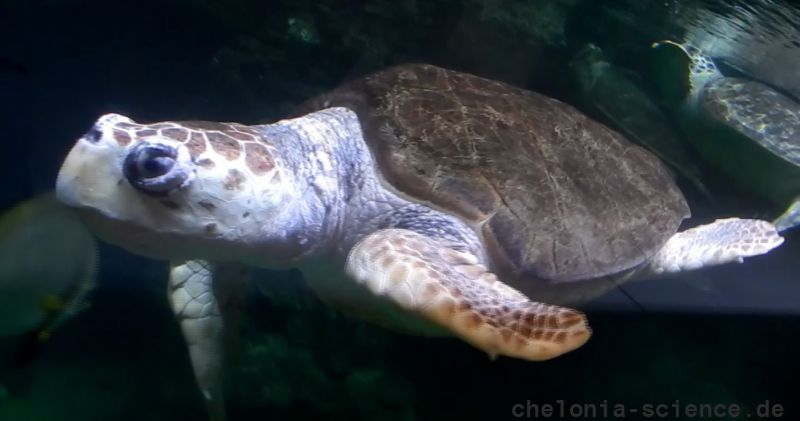
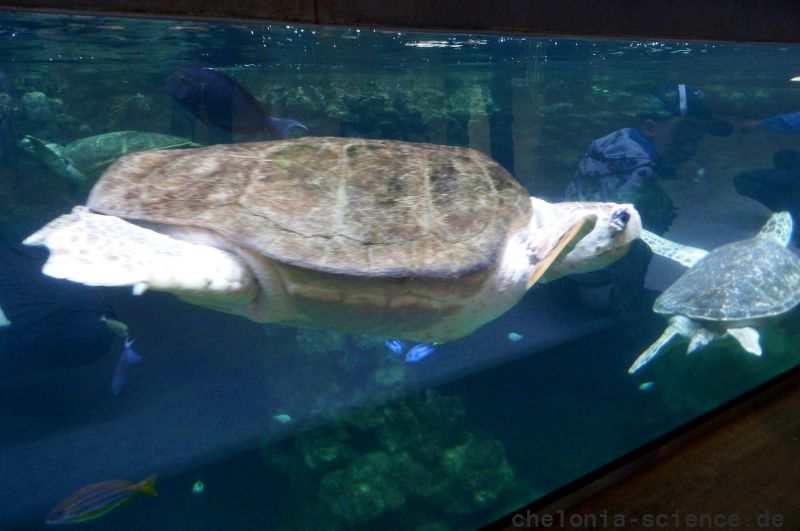
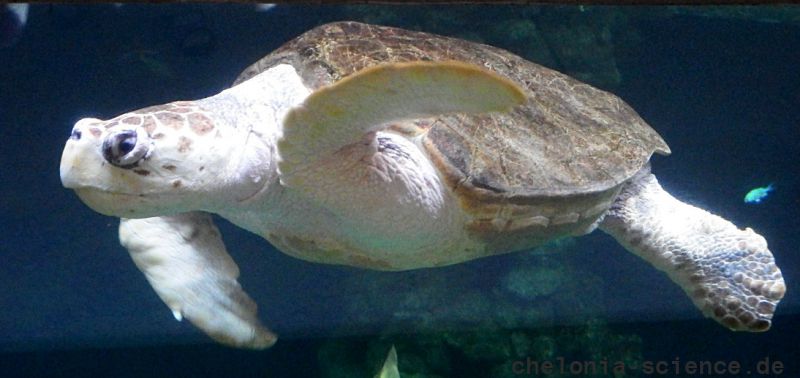
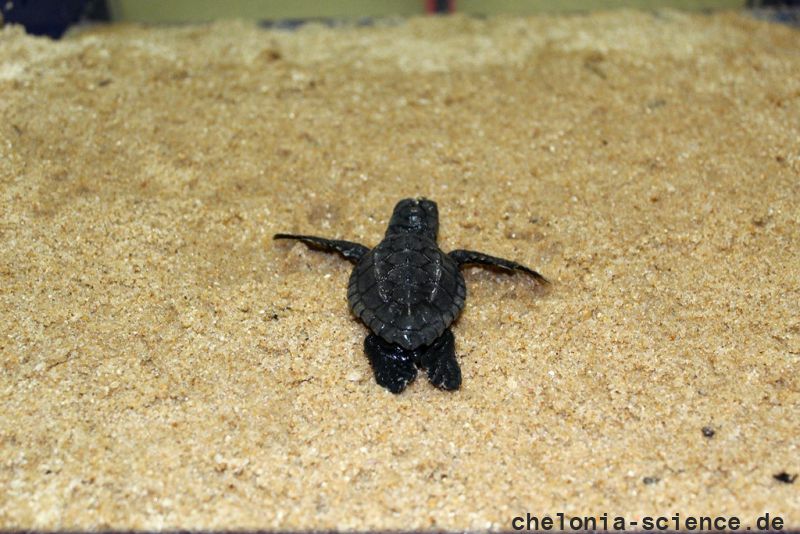
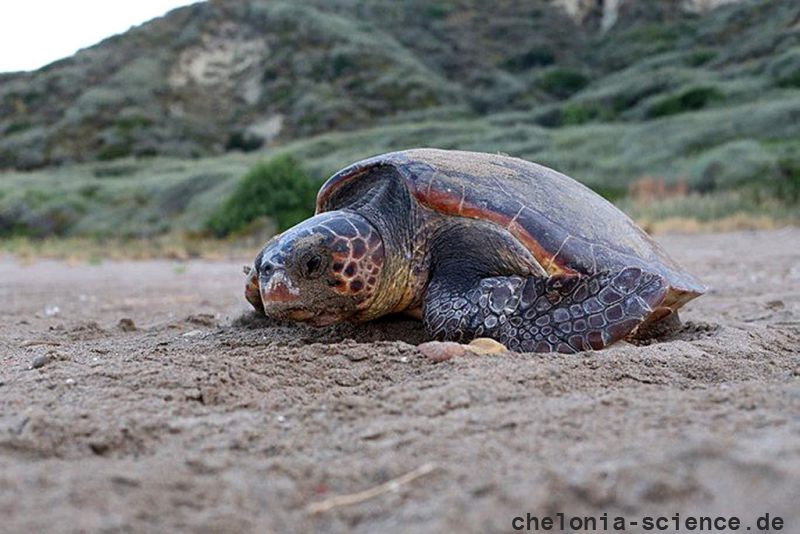
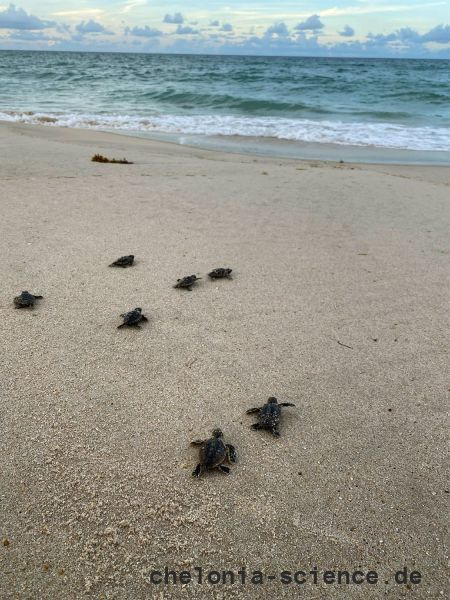
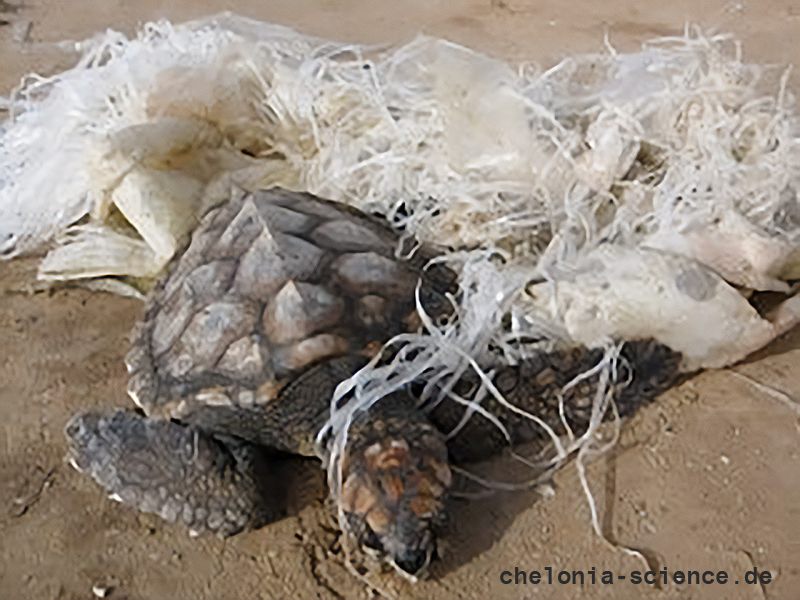
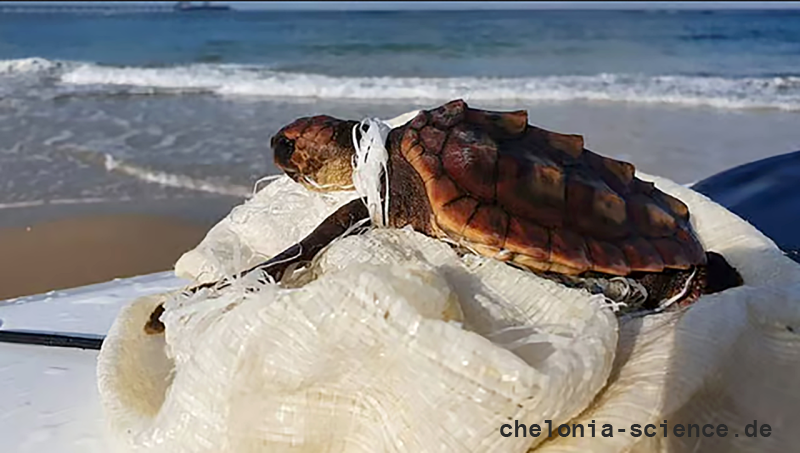
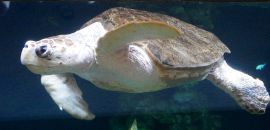
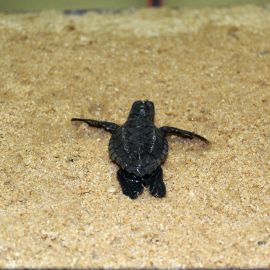
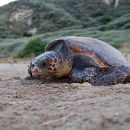
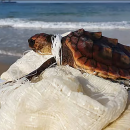
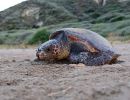
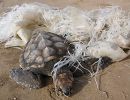
Caretta caretta – Unechte Karettschildkröte
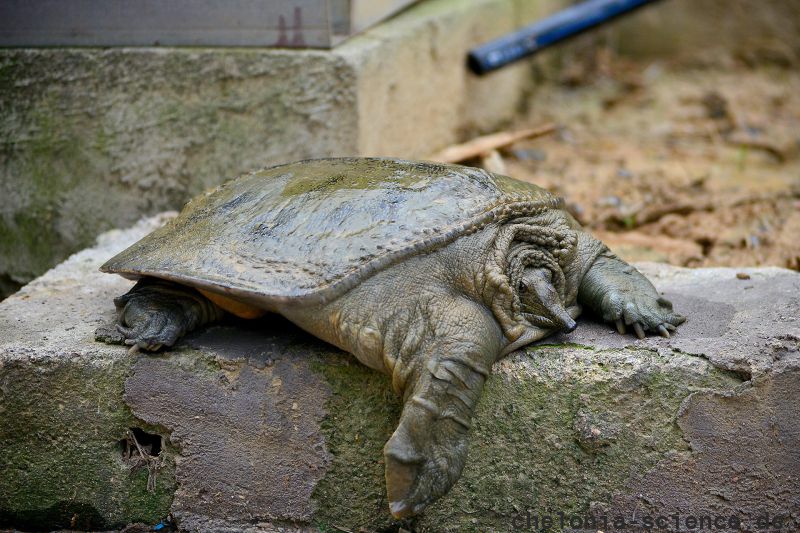
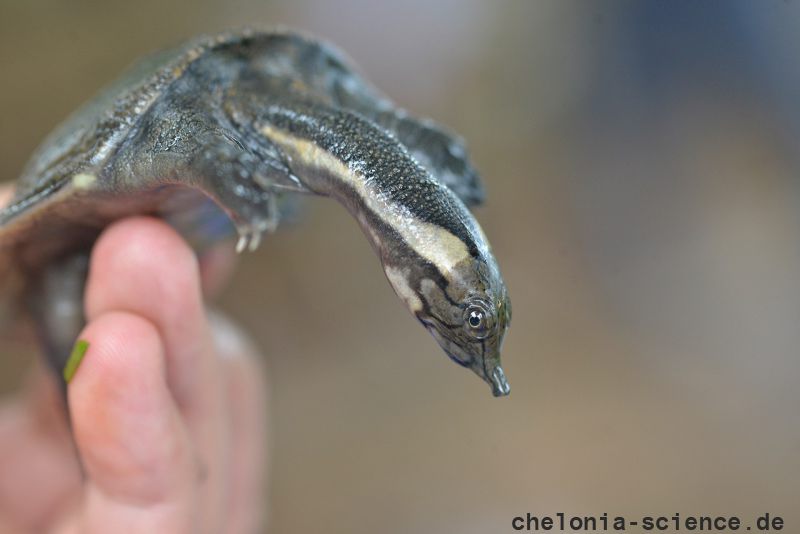
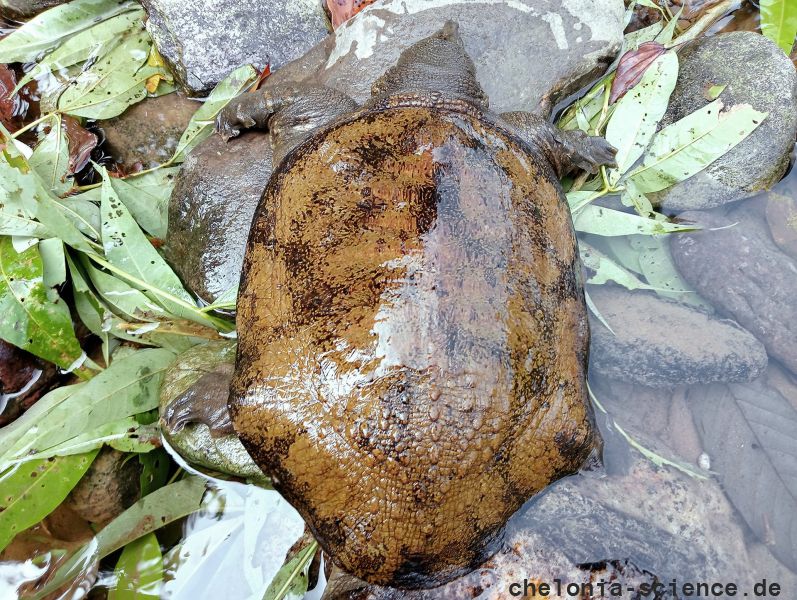
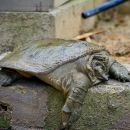
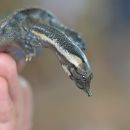
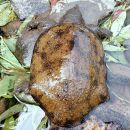
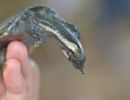
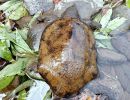
Palea steindachneri – Nackendornen-Weichschildkröte
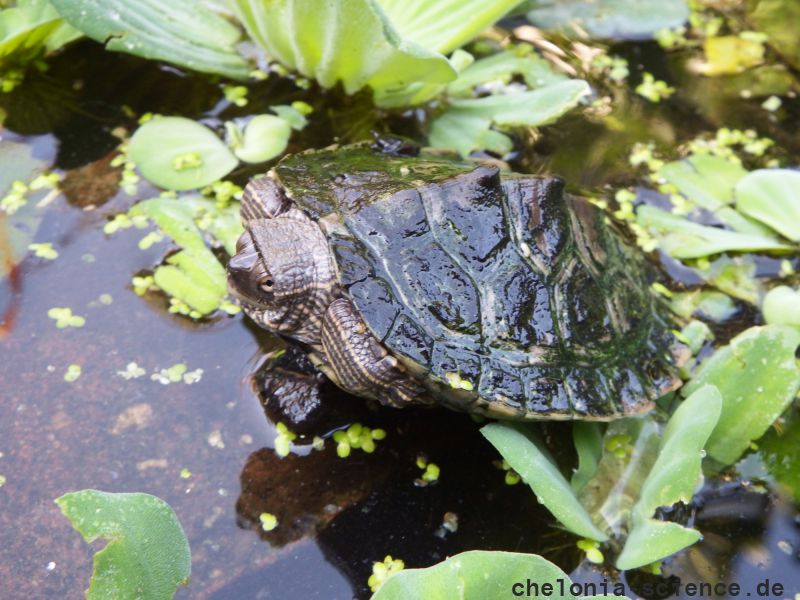
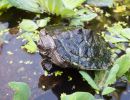
Graptemys pseudogeographica – Falsche Landkarten-Höckerschildkröte

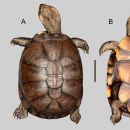
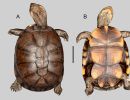
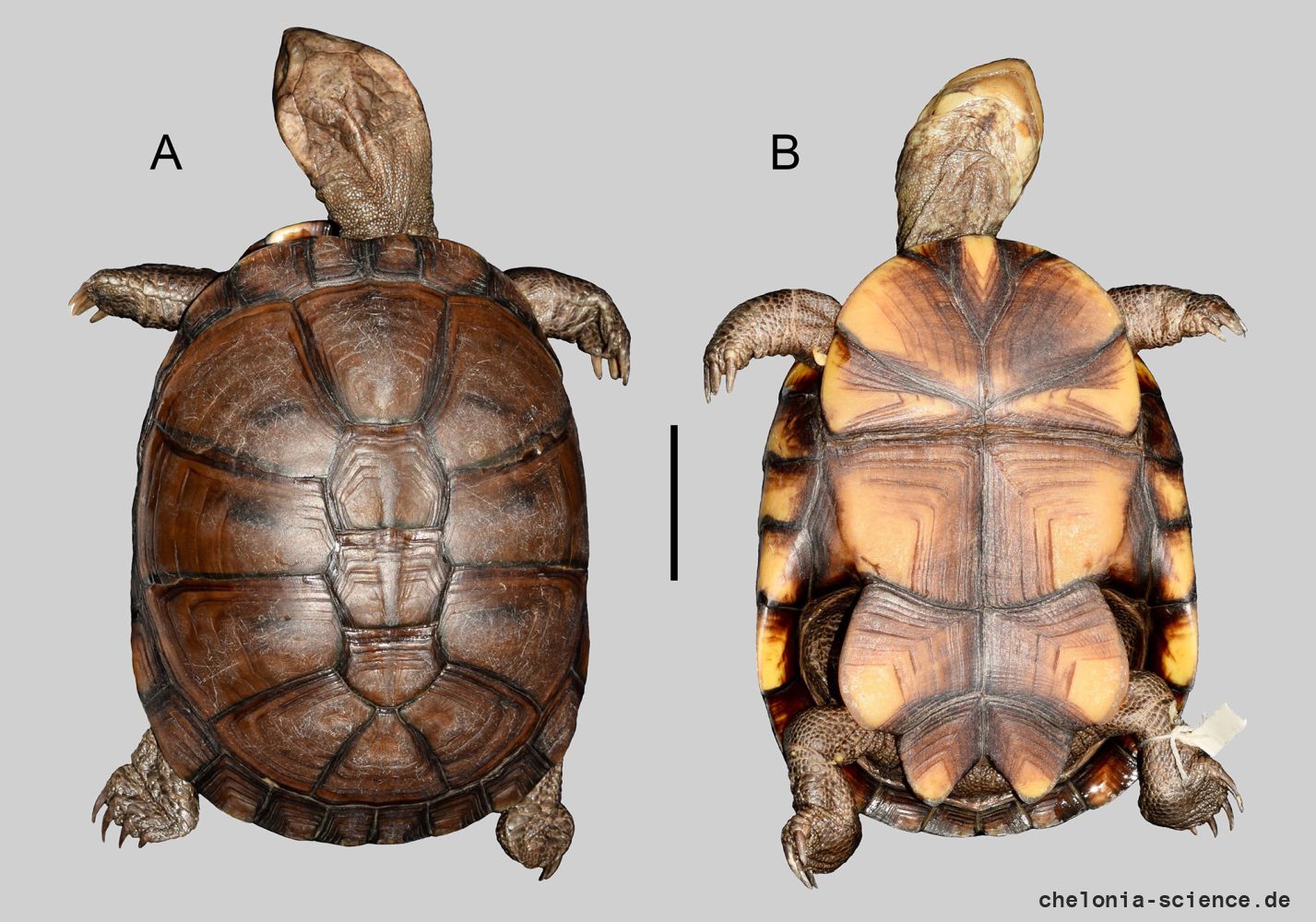
Pelusios hyneki hyneki