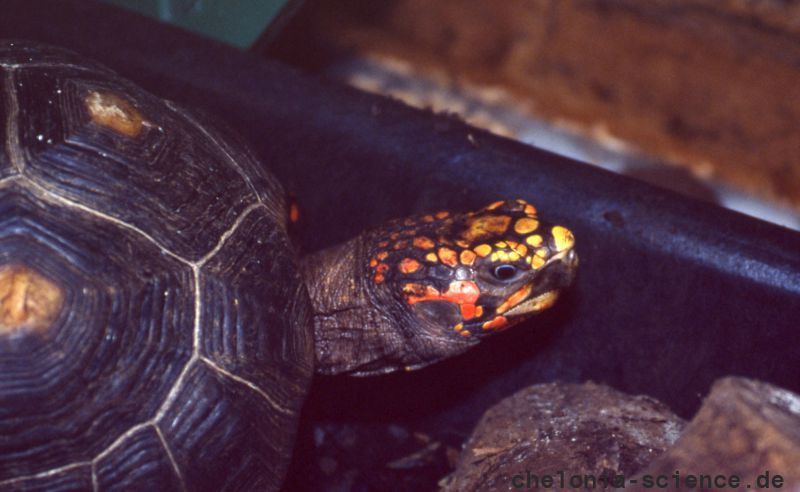
Gallego-García, N., M. Vargas-Ramírez & H. B. Shaffer (2023): The importance of cryptic diversity in the conservation of wide-ranging species: The red-footed tortoise Chelonoidis carbonarius in Colombia. – Molecular Ecology 32(16): 4531–4545.
Die Wichtigkeit von kryptischer Diversität für die Erhaltung weitverbreiteter Spezies: Die Köhlerschildkröte Chelonoidis carbonarius in Columbien.
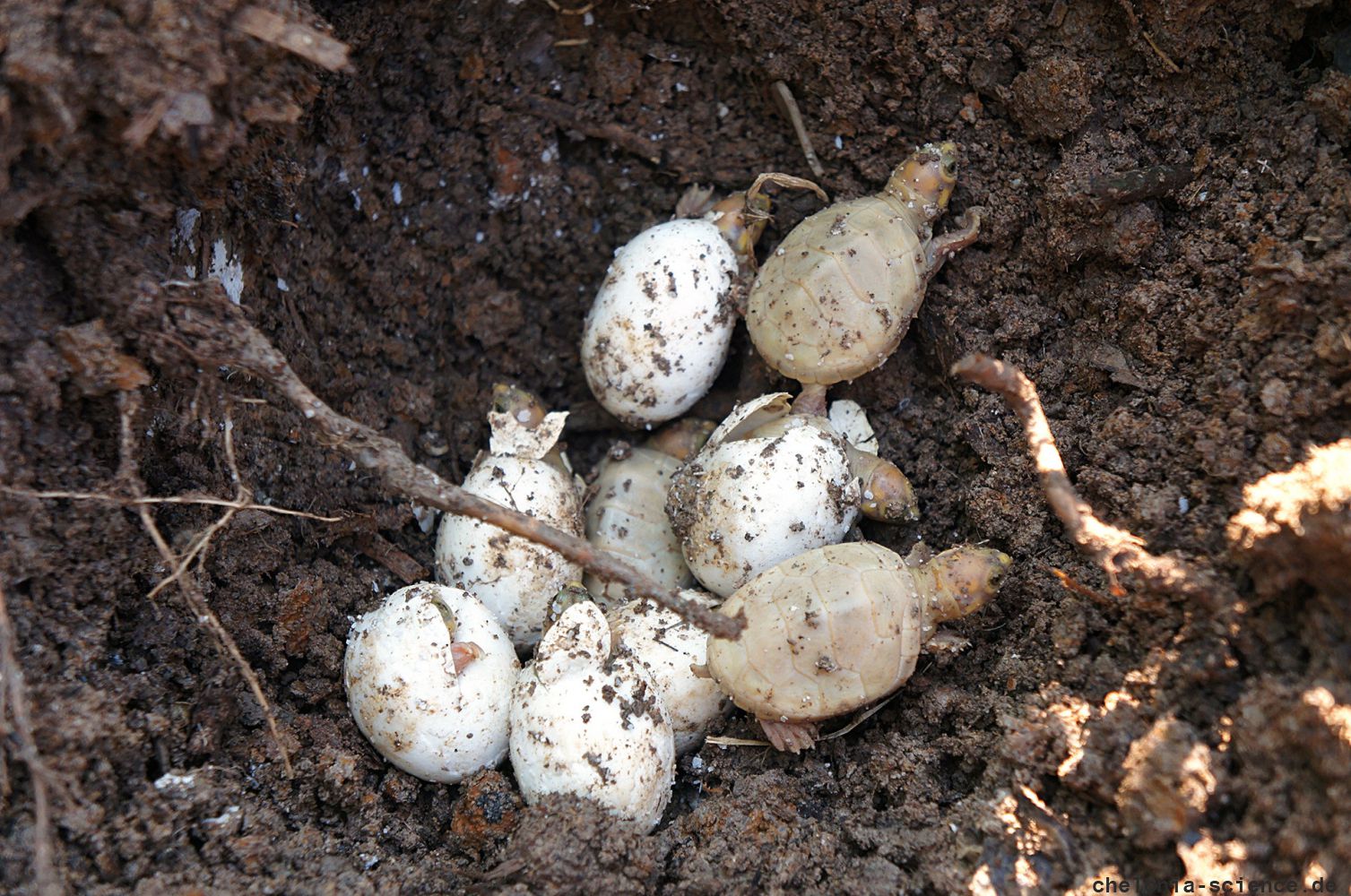
Geller, G. A. & S. L. Parker (2022): What Are the Primary Cues Used by Mammalian Predators to Locate Freshwater Turtle Nests? A Critical Review of the Evidence. – Frontiers in Ecology and Evolution 9: 784786.
Welches sind die primären Merkmale, die von räuberischen Säugetieren genutzt werden, um die Nester von Süßwasserschildkröten zu lokalisieren? Eine kritische Übersichtsarbeit zur Befundlage.
Ginal, P., J. Stahlberg, A. Rauhaus, P. Wagner, D. Rödder & T. Ziegler (2023): Threatened turtles and tortoises (Testudines) in zoos: A ZIMS database analysis for improved One Plan Approach to Conservation actions. – Salamandra 59(3): 262-274.
Gefährdete Wasser- und Landschildkröten (Testudines) in Zoos: Eine ZIMS-Datenanalyse für einen gemeinsamen „Ein-Plan-Ansatz“ für Erhaltungsmaßnahmen.
Gamba, F. B., G. Berger Falcon, M. S. Simoncini, R. A. M. Balestra & A. Malvasio (2022): Priority areas and integrated actions for the conservation of Amazonian turtle populations historically over-exploited by humans. – Ethnobiology and Conservation 11: 1-19.
Prioritätsregionen und integrierte Aktionen zur Erhaltung der schon seit historischer Zeit übernutzten Schildkrötenpopulationen Amazoniens.